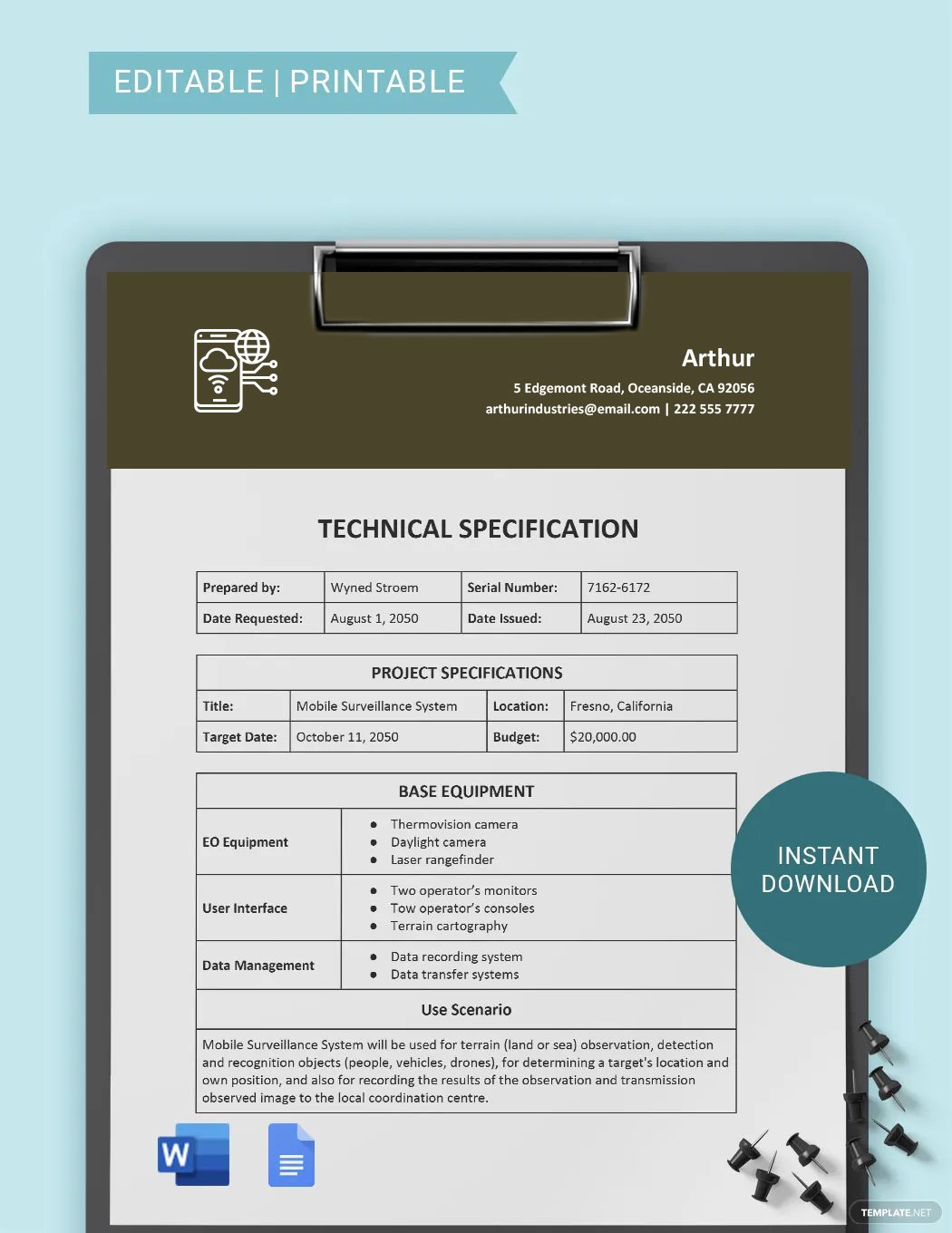
When embarking on any complex endeavor, from constructing a skyscraper to launching a new software platform, the foundational documents known as Technical Specifications and Design Features aren't just bureaucratic necessities – they are the essential blueprints that dictate project success. Think of them as the meticulously detailed instructions that transform a vague idea into a tangible, high-quality reality. Without them, even the most brilliant concepts can dissolve into confusion, cost overruns, and missed deadlines.
This isn't just about creating documents; it's about establishing clarity, fostering alignment, and building a shared understanding across every team and stakeholder involved. It’s the difference between a project that flounders in ambiguity and one that marches confidently toward its goals, delivering true value.
At a Glance: What You’ll Master
- Understand the Core: Differentiate between Technical Specifications and Technical Design Documents (TDDs) and their distinct yet complementary roles.
- Grasp Their Power: Learn why these documents are indispensable for clarity, quality, efficiency, and seamless communication.
- Prepare for Success: Discover the critical steps to take before you even start writing your specifications.
- Deconstruct the Elements: Identify the key components that make up a comprehensive technical specification.
- Architect Your Software: Dive into the specific elements required for a robust Technical Design Document in software engineering.
- Avoid Common Pitfalls: Learn to steer clear of mistakes that can derail your project, even with good intentions.
- Drive Action: Gain actionable insights to leverage these tools for predictable, high-quality project outcomes.
The Unsung Heroes: What Are Technical Specifications and Design Documents?
In the grand scheme of product development, these documents often exist behind the scenes, yet their impact is front and center. They are the backbone of any well-managed project, translating vision into actionable tasks.
Technical Specifications: Your Project's Rulebook
A Technical Specification is essentially a detailed blueprint. It's a formal document that lays out the precise requirements and instructions for designing, developing, and implementing a product, system, or process. This document is your project's constitution, providing granular information on what features, functionalities, and performance characteristics are expected.
Imagine building a custom car. The technical specification wouldn't just say "make it fast"; it would specify the engine displacement, horsepower, torque curves, material for the chassis, braking performance under various conditions, and even the required safety certifications. It's about defining what needs to be accomplished and to what standard.
These critical documents are typically drafted at the very outset of a project, serving as the foundational reference point for everyone involved. You'll find them playing pivotal roles across diverse industries:
- Engineering & Manufacturing: Detailing components, assembly processes, material tolerances, and performance criteria for physical products.
- Construction: Specifying building materials, structural integrity, plumbing systems, electrical layouts, and safety codes.
- Software Development: Outlining system requirements, user stories, interface definitions, and expected performance.
- Procurement: Defining the exact characteristics of goods or services to be acquired, ensuring suppliers meet specific criteria.
Design Features (TDDs): The How-To Guide for Implementation
While a technical specification defines what is to be built, a Technical Design Document (TDD) – often called a Design Specification or Design Blueprint, especially in software – dives deep into how it will be built. This comprehensive document meticulously details the architectural and technical aspects of a system.
For software engineers, a TDD isn't just about features; it's about the underlying structure, the choice of algorithms, the database schema, and how different components will interact. It's the step-by-step guide for developers to translate the abstract requirements into concrete code and infrastructure.
Both technical specifications and TDDs serve a common, vital purpose: they act as a roadmap for the development team, ensuring absolute clarity on goals and methods. More importantly, they function as a critical communication bridge, fostering understanding and alignment between stakeholders, designers, developers, and testers. This shared reference point minimizes assumptions and maximizes the chances of delivering a product that truly meets expectations.
Why Bother? The Irrefutable Value of Detailed Documentation
If you’ve ever worked on a project where goals were fuzzy or requirements shifted like sand, you know the pain. Detailed technical specifications and design features aren't just nice-to-haves; they are essential for avoiding costly mistakes and achieving genuine success.
Cutting Through the Fog: Clarity and Precision
One of the most immediate benefits of comprehensive documentation is the crystal-clear description of requirements it provides. When every feature, every interaction, and every performance metric is clearly defined, there's little room for misinterpretation. This precision drastically reduces misunderstandings, which are notorious for leading to errors, rework, and frustrating delays. It's like having a perfectly marked treasure map, ensuring everyone knows exactly where to dig.
Building What Users Actually Want: Satisfaction Guaranteed
Ultimately, the goal of any project is to create something valuable for its intended users. Detailed specifications ensure that the final product directly addresses user needs and pain points. By meticulously outlining features and functionalities from a user-centric perspective, you significantly increase the likelihood of delivering a product that offers a positive user experience, leading directly to higher user satisfaction and adoption.
Quality, Longevity, and Reduced Headaches
High-quality documentation is a cornerstone of high-quality products. By specifying materials, methods, industry standards, and testing protocols, technical specifications guide the creation of reliable, maintainable, and scalable solutions. This proactive approach helps to:
- Reduce errors: Clear guidelines mean fewer mistakes during development.
- Extend product life: Built to specific standards, products are more durable and resilient.
- Simplify maintenance: Well-documented systems are easier to understand, update, and repair in the long run.
The Efficiency Engine: Time, Budget, and Resources
Imagine trying to navigate a complex city without a map. That's what projects without clear specifications feel like. A clear roadmap provided by these documents ensures:
- Effective resource utilization: Teams know exactly what to do, minimizing wasted effort.
- On-time completion: Project milestones are clearer, making scheduling more accurate.
- Adherence to budget: Fewer unforeseen issues mean fewer unexpected costs.
In essence, these documents are an investment that pays dividends in streamlined workflows and predictable outcomes.
Bridging the Gaps: Communication and Collaboration
Projects are inherently collaborative. Technical specifications and TDDs act as a universal language, providing a common reference point for everyone—from product managers to engineers to quality assurance teams. This shared understanding:
- Streamlines communication: Reduces back-and-forth clarifications.
- Facilitates feedback incorporation: Makes it easier to track changes and revisions.
- Ensures alignment: Keeps everyone pulling in the same direction toward the same defined goals.
They are the foundational texts that enable disparate teams to work as a cohesive unit.
Laying the Groundwork: Critical Steps Before You Start Writing
Before you dive into the nitty-gritty of requirements, a little foresight goes a long way. Skipping these preliminary steps is like trying to build a house without checking the foundation or knowing who will live in it.
Pinpointing Your True North: Defining Project Goals
Before any technical detail is penned, you must have an absolute grasp of the "why." Clearly understanding the organization's overarching project goals and objectives ensures that the final product aligns perfectly with the overall vision and stakeholder needs. Is the goal to increase market share, improve internal efficiency, or launch a disruptive new product? The answers to these questions will inform every subsequent decision.
A powerful tool here is a Component Content Management System (CCMS). By establishing a "single source of truth" (SSoT) for your content, a CCMS helps ensure accuracy and consistency across all documentation. This approach supports efficient workflows, enables content reuse, and allows for multiple publishing outputs, making sure your foundational goals are consistently reflected everywhere.
Know Your Audience: Tailoring Your Message
Who will be reading this document? Answering this question is paramount. The language, level of detail, and even the format should be tailored to meet the needs of your readers.
- Developers and Engineers: Might require highly technical jargon, code examples, and detailed architectural diagrams.
- Project Managers: Might need higher-level summaries, timelines, and resource implications.
- Business Stakeholders: Often prefer clear, concise language focusing on business value and impact, rather than granular technicalities.
Considering their expertise and knowledge levels will ensure the document is actually understood and utilized effectively.
Acknowledging the "Can't-Dos": Technical Constraints
Every project operates within boundaries. Before outlining what you will do, you must understand what you cannot do. Identify limitations stemming from technological aspects, such as:
- Hardware/Software Limitations: Does existing infrastructure support new demands?
- Compatibility Issues: Will the new system integrate with legacy systems?
- Regulatory Requirements: Are there legal or compliance standards that must be met?
These constraints directly impact feasibility, timelines, and budgets. Addressing them early prevents costly redesigns or scope creep down the line.
The Reality Check: Timeline and Budget Imperatives
Time and money are finite resources. These factors directly influence the scope and complexity of your specifications. Realistic expectations about deadlines and available funds are crucial for:
- Setting realistic scope: What can genuinely be achieved within the given constraints?
- Guiding resource allocation: How many personnel, what equipment, and what software can be committed?
This upfront assessment helps avoid overpromising and under-delivering, keeping the project grounded in reality.
Working Together: Planning for Seamless Collaboration
Complex projects rarely involve a single person. If multiple stakeholders, teams, or external vendors are involved, a clear plan for collaboration is essential. Define:
- How collaboration will occur: Which tools will be used (e.g., shared documents, version control systems)?
- Assigned responsibilities: Who owns which sections of the documentation?
- Processes for feedback and revisions: How will changes be proposed, reviewed, and approved?
A well-defined collaborative framework ensures all voices are heard and incorporated efficiently, preventing bottlenecks and miscommunications.
Deconstructing the Blueprint: Key Components of Technical Specifications
Once your groundwork is solid, you can begin constructing the actual technical specification. While the specifics will vary by industry and project, these seven core components form the backbone of nearly every effective specification.
Setting the Stage: Purpose and Scope
Every good story needs an introduction. This section provides a high-level overview of the project, clearly outlining its primary goals, specific objectives, and the intended outcomes. It defines the boundaries of the project—what it will and will not cover—setting expectations and preventing scope creep from the outset.
What It Must Do: Functional Requirements
This is where you detail the "meat" of the product or service. Functional requirements describe the specific features and functionalities the system must include to meet user needs and business objectives. Think of them as verbs: "The system must allow users to log in," or "The device shall measure temperature with an accuracy of +/- 0.1°C." This section might include:
- Hardware/software requirements
- User interface interactions
- Data processing capabilities
- Performance benchmarks (e.g., response times, throughput)
How It Looks and Feels: Design Requirements
While functional requirements define what it does, design requirements dictate how it looks and feels. This section specifies user interface elements, aesthetic considerations, and interaction design. This could cover:
- Visual elements (e.g., branding, color palettes, typography)
- Layout and screen structure
- Navigation flows and user experience (UX) principles
- Ergonomics for physical products
Playing By the Rules: Technical Standards
To ensure compatibility, quality, and often, legal compliance, products and systems must adhere to certain standards. This component defines the industry standards, protocols, or regulatory requirements to be followed. Examples include:
- ISO standards (e.g., ISO 9001 for quality management)
- Communication protocols (e.g., TCP/IP, Bluetooth)
- Security standards (e.g., GDPR, HIPAA compliance)
- Safety regulations (e.g., CE marking for products in Europe)
Proving It Works: Testing Requirements
A product is only as good as its reliability. This section outlines the comprehensive testing and validation plans required to ensure the system meets its specified requirements. It covers:
- Test plans: The overall strategy for testing.
- Test cases: Specific scenarios to be tested.
- Acceptance criteria: The conditions that must be met for a feature or the entire system to be considered complete and satisfactory.
Getting It Out There: Delivery Requirements
Building a great product is only half the battle; getting it to the user is the other. This component specifies all information related to the deployment and release of the product. This might include:
- Delivery dates and milestones
- Installation procedures
- Configuration guidelines
- Training requirements for end-users or administrators
Keeping It Running: Support and Maintenance Requirements
A product's lifecycle extends far beyond its initial release. This section details what happens after delivery, outlining agreements for ongoing care. It typically covers:
- Warranties and guarantees
- Maintenance agreements and schedules
- Service Level Agreements (SLAs) for technical support
- Bug fixing and update policies
Deep Dive for Developers: Crafting a Robust Technical Design Document (TDD)
For software projects, the Technical Design Document (TDD) is an indispensable tool, serving as the engineer's playbook. While it shares some overlap with general technical specifications, it drills down into the engineering specifics required for software implementation.
The Grand Opening: Introduction to Your System
Like any good report, a TDD begins with an introduction. This section provides a high-level overview of the system, stating its purpose, the problems it aims to solve, its target audience, and the key stakeholders involved. It sets the context for the detailed design that follows.
Guiding Principles: Design Goals and Constraints
Here, you articulate the specific design goals—what you hope to achieve with your architectural choices (e.g., high scalability, low latency, easy maintainability). Crucially, you also detail any limitations or constraints that impact the architecture and implementation, such as specific technology stacks, budget limits, or integration with legacy systems.
The Big Picture: Architectural Overview
This section presents the high-level system architecture. It identifies the major components or microservices, describes their roles, and illustrates how they interact with each other. Diagrams (like block diagrams or context diagrams) are invaluable here to provide a clear visual representation.
What Features It Has: Functional Requirements (revisit with TDD lens)
While general technical specifications list functional requirements, the TDD often elaborates on them from an implementation perspective. It details how the system will deliver specific features, capabilities, inputs, outputs, and expected behaviors, sometimes breaking them down into user stories or use cases with technical considerations.
Beyond Features: Non-Functional Requirements
Often as important as what the system does is how well it does it. Non-functional requirements document aspects like:
- Performance: Response times, throughput, resource usage.
- Scalability: How the system handles increased load.
- Security: Authentication, authorization, data encryption.
- Reliability/Availability: Uptime guarantees, disaster recovery.
- Maintainability: Ease of modification and support.
- Usability: How user-friendly the system is (from a technical implementation perspective).
This includes specific, measurable constraints for each.
Organizing Information: Data Design
For any data-driven application, the data model is fundamental. This section outlines the database schema, entity-relationship diagrams, data storage mechanisms, and critical data management considerations like data retention, backup, and privacy.
Breaking It Down: System Components and Modules
This segment provides a more granular look at individual components or modules within the system. For each, you detail its responsibilities, defined interfaces (APIs), and dependencies on other components. Sequence diagrams, component diagrams, or class diagrams are often used to visualize these relationships.
Talking to the World: APIs and Interfaces
If your system interacts with others, its Application Programming Interfaces (APIs) and other external interfaces are crucial. This section specifies:
- Input parameters and data types
- Return types and expected responses
- Error handling mechanisms and codes
- Communication protocols (e.g., REST, GraphQL, gRPC)
- Security measures for external access
The Smarter Way: Algorithms and Design Patterns
When complex logic is involved, this section describes the key algorithms and design patterns chosen for implementation. It's important to explain the rationale behind these selections, justifying why a particular approach was chosen over others to address specific challenges (e.g., for efficiency, scalability, or maintainability).
When Things Go Wrong: Error Handling and Exception Management
No system is infallible. This section outlines how the system will detect, respond to, and recover from errors and exceptions. It covers:
- Logging strategies for debugging and monitoring
- Robustness strategies to prevent system crashes
- Graceful degradation and recovery mechanisms
- User-facing error messages
Ensuring It Works: Testing and Quality Assurance
A TDD isn't just about building; it's about building correctly. This part outlines the testing approach, including unit tests, integration tests, end-to-end tests, and performance tests. It details test cases, scenarios, the automation frameworks to be used, and the quality measures that will be in place to ensure the code meets standards.
From Code to Customer: Deployment and Release Strategy
Finally, the TDD addresses how the system will transition from development to production. This includes the deployment strategy (e.g., continuous deployment, manual release), environment setup (development, staging, production), configuration management, and the overall release process. It's about getting the finished product, whether it's software for a service or the operating system for a device like the first generation iPod touch, into the hands of users efficiently and reliably.
Common Pitfalls and How to Sidestep Them
Even with the best intentions, technical documentation can fall short. Being aware of common traps can help you navigate around them.
The Vague Trap: Lack of Specificity
- Pitfall: Writing requirements that are open to interpretation ("The system should be fast," "The UI should be intuitive").
- Sidestep: Use measurable, verifiable language. Define "fast" as "response time under 200ms for 95% of requests." Define "intuitive" by specific usability metrics or user testing results.
"Set it and Forget it": Ignoring Reviews and Revisions
- Pitfall: Treating the document as a one-time deliverable that is never revisited or updated.
- Sidestep: Establish a clear review cycle. Designate owners for sections. Encourage ongoing feedback and ensure a robust version control system is in place. Requirements evolve; your documentation should too.
Over-Engineering: Too Much Detail, Too Soon
- Pitfall: Drowning in excessively granular details early in the project, especially for uncertain requirements, leading to paralysis by analysis.
- Sidestep: Use an iterative approach. Start with high-level specifications and progressively add detail as requirements solidify and understanding grows. Focus on "just enough" detail for the current stage.
Underestimating the "Soft" Skills: Poor Communication
- Pitfall: Assuming that simply writing a document means everyone will read, understand, and agree with it.
- Sidestep: Documentation is a communication tool, not a replacement for communication. Hold workshops, review sessions, and Q&A forums. Actively solicit feedback and facilitate discussions to ensure shared understanding and buy-in.
Your Roadmap to Excellence: Actionable Insights for Driving Success
Mastering the creation of detailed technical specifications and Technical Design Documents is more than just a writing exercise; it's a strategic imperative. These documents are vital tools for fostering effective communication, streamlined collaboration, and efficient workflows across any project.
By investing the time and effort upfront, you enable your teams to:
- Identify challenges early: Proactively address potential roadblocks before they become critical issues.
- Minimize risks: Reduce the likelihood of errors, rework, and costly delays.
- Maximize outcomes: Ensure projects are completed efficiently, within budget, and to consistently high-quality standards.
Ultimately, this rigorous approach translates directly into higher user satisfaction and long-term project success. View these documents not as burdensome paperwork, but as your project's most reliable allies. Embrace them as living tools that evolve with your project, and you’ll unlock a level of predictability and excellence that transforms your endeavors from hopeful ventures into assured successes. Start building your detailed blueprints today, and watch your visions become reality.