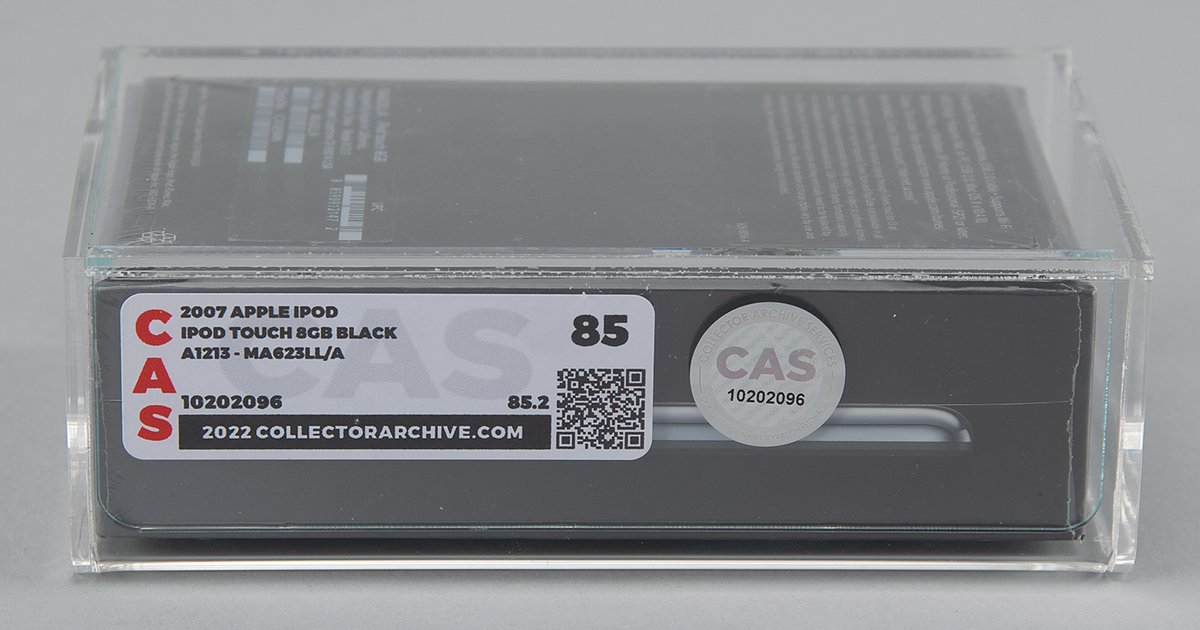
The year was 2007. The iPhone had just revolutionized the mobile world, but its price and carrier lock were barriers for many. Then, Apple unveiled a device that brought much of that magic to a wider audience: the iPod touch First Generation. More than just an MP3 player, it was a sleek, multi-touch marvel that delivered a truly pocketable internet and entertainment experience, effectively an "iPhone without the phone." This device didn't just play music; it opened up a world of possibilities, defining a new category of personal electronics.
The Dawn of a New Era: An iPhone Without the Phone
When the iPod touch (1st Gen) arrived, it wasn't just another iPod; it was a statement. Apple positioned it as a revolutionary way to enjoy music, videos, and the internet, leveraging the same groundbreaking multi-touch interface that had made the iPhone an instant icon. It democratized the iOS experience, offering a window into the future of mobile computing for those not ready or able to commit to a phone plan. This unique positioning allowed it to carve out its own niche in a rapidly evolving market. To truly grasp the vision and circumstances surrounding its debut, you'll want to Learn its history and market.
Pioneering Hardware: Bringing Multi-Touch to the Masses
At its heart, the iPod touch (1st Gen) boasted impressive technology for its time. It featured a vibrant 3.5-inch multi-touch display with a 320x480 resolution, albeit a slightly lower quality one compared to its iPhone cousin. An accelerometer allowed for automatic screen rotation between portrait and landscape modes, while an ambient light sensor adjusted brightness on the fly. With built-in Wi-Fi (802.11b/g), it offered internet access, email, and web browsing on the go, making it a truly connected device.
Storage options initially included 8 GB or 16 GB of flash memory, with a 32 GB model introduced in early 2008, providing ample space for music and videos. This meant users could carry a vast media library in their pocket, along with a growing collection of applications. For a deep dive into every component that made this device tick, from its display to its internal architecture, you can Access full technical details View technical.
Beyond its internal workings, the design itself was a marvel of minimalist engineering. Slightly thinner and shorter than the original iPhone, it maintained a striking resemblance but with distinct features like a black trim around the display and a bottom-mounted, non-recessed headphone jack. Notably, it lacked an integrated camera, Bluetooth capabilities, a speaker, and a microphone — deliberate choices that differentiated it from the full iPhone experience while keeping its price point accessible and focusing on its core media consumption role.
A Glimpse into the App Ecosystem: Original Software and Early Apps
The software experience on the original iPod touch was a revelation. It ran a version of Apple's innovative mobile operating system, providing a user interface unlike anything seen before on a portable media player. Out of the box, users enjoyed essential applications like the Safari web browser, YouTube for video streaming, a calendar, contacts, clock, and calculator, along with the foundational audio, photo, and video playback functionalities.
Initially, several iPhone applications like Mail, Maps, Stocks, Weather, and Notes were conspicuously absent. However, Apple soon made these available for purchase at US$19.99, and later bundled them with all new models, signaling the device's evolving role beyond a mere media player. Understanding the foundational applications and how they shaped the early user experience is key to appreciating its impact, and you can Learn about original software and apps.. This period also laid the groundwork for the App Store, which would later explode the device's capabilities and cement the concept of a versatile, extensible mobile platform.
Shaping the Future: Its Enduring Legacy and Impact
The iPod touch First Generation was more than just a successful product; it was a pivotal device in the evolution of mobile technology. By offering a multi-touch, internet-connected experience without the commitment of a phone contract, it expanded the reach of iOS and familiarized millions with its intuitive interface. It acted as a powerful testbed for mobile applications and helped cultivate the nascent mobile app economy long before smartphones became ubiquitous. Its existence blurred the lines between dedicated media players, portable gaming devices, and mini-tablets, influencing countless devices that followed by demonstrating the power of a touch-centric OS. To fully appreciate how this single device influenced the trajectory of modern personal electronics, Explore mobile devices lasting legacy.
A Collector's Gem: Value, Preservation, and Finding Yours
Today, the iPod touch First Generation holds a special place in the hearts of technology enthusiasts and collectors. Its status as the progenitor of the iPod touch line, its historical significance in democratizing the iOS experience, and its elegant, early Apple design make it a coveted item. While its practical utility is limited in today's app-heavy world due to software compatibility and aging hardware, its charm as a piece of history remains undiminished, serving as a tangible link to Apple's revolutionary past.
Factors like storage capacity, original packaging, and working condition can significantly impact its collector's value. A pristine, boxed model with all accessories will naturally command a higher price than a well-used one. Whether you're looking to acquire one for nostalgia or as an investment in tech history, understanding its nuances is crucial. To delve into tips for identifying genuine models, assessing their condition, and gaining insights into the current market, Learn about collecting and value Guide.
Looking Forward: The Touch's Lasting Influence
The iPod touch First Generation paved the way for an entire ecosystem of portable, internet-connected devices. It demonstrated that a compelling user experience, driven by intuitive hardware and software, could transcend its original form factor. Its legacy lives on not just in the subsequent generations of the iPod touch, but in every tablet, portable gaming device, and even smart appliance that benefits from an accessible, touch-based interface. It was a humble yet powerful precursor, proving that the future of computing was indeed in our hands.